We are made up of the stories we tell ourselves (perceived experiences) and those we share with others (biased experiences). Between what we believe is real and what we hope to be real lies the life we live… and most of my work sits in understanding that gap.
Here’s me: Now, Earlier, and Always.
What Am I Doing Now?
Building Eibira (eye-bee-raa); a product to help myself and others make better decisions in everyday life.
Since 2020, psychology and awareness have been the central themes in my life.
I’ve spent hundreds of hours reading, reflecting, and practicing these principles. And life, with all its surprises, gave me enough real-world challenges to test them thoroughly!
After having navigated those moments without losing my mind, I’ve enough confidence in the power of whole brain–body thinking.
Most people know of mindfulness, biases, and behaviour theories, but usually in isolation. What’s rarely explained is how these forces interact inside the brain and body, and how that interaction shapes the quality of our decisions.
That’s the gap Eibira fills.
It takes the science of embodied cognition — drawing from psychology, mindfulness, and evolutionary biology — and turns it into simple thinking models anyone can use for everyday decisions.
Below are a few pieces that explore this philosophy further:
Building An AI-first Company
I’m so glad to be building Eibira in the age of AI and SDD. And also deeply aware of the risks it brings along.
SDD (spec-driven development) feels risky because it leans toward a waterfall approach for a startup. It’s also niche, where you’re not just experimenting with an idea, but simultaneously experimenting with how that idea takes life.
Every day, I spend hours conversing with AI agents, fine-tuning specs, critiquing outputs, only to begin again. It’s hard to know when to stop, and what “good enough” really means.
Yet SDD also deeply enamours me with its promise: owning a clear source of truth for the code and, more importantly, dramatically reducing development costs and the speed at which features can be churned out (which can be good or terrible).
But one thing is certain…
I can never go back to being the product manager I was. SDD has changed me forever.
If you too are building an AI-first company, let’s connect and share the learning.
What Did I Do Earlier?
Product Management and Design
Building a product is a constant fight between our idea and real user needs. Over the years in leading product and design teams, I’ve learned that great teams balance two kinds of thinkers:
- the empath: who dives into the psychological and emotional realm of users to predict unspoken needs and motivations, and
- the architect: who is more functional and generalist, focusing on meeting stated and observed needs.
My focus was always helping my team recognise whether they naturally leaned toward being an empath or an architect.
This simple revelation about themselves not only made all the difference in how products were built, shipped, and scaled, but also how the team collaborated and helped each other.
For the nuts and bolts, please see my LinkedIn profile.
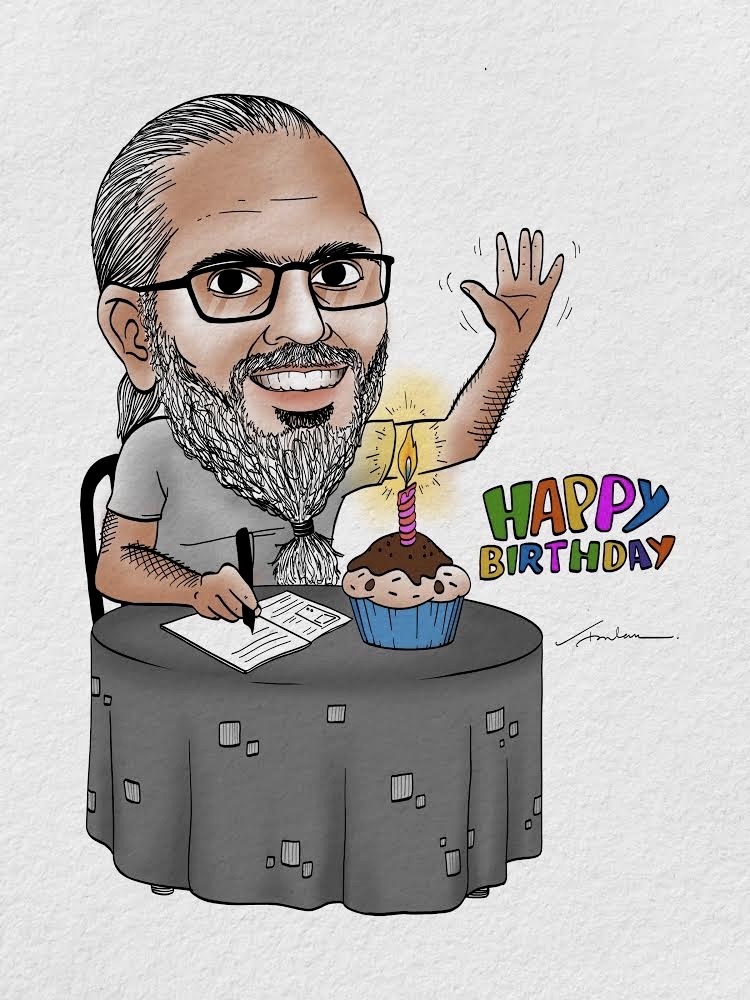
How my team sees me – pen in hand, in lo-fi mode, and having fun making things!
A fun illustration from our creative genius designer – Amlan Mishra.
Entrepreneurship – Take One
Few decisions make a dent in our lives. One of them was the decision to start-up Tinyty (my first start-up). Though I did not succeed as an entrepreneur, the 4 years of my life changed me quite a bit as a person.
Raising capital with rising debts was scary. Putting faith in people who could make or break me was a lesson in trust and empathy. Wanting and doing everything alone was stupidity. Over-engineering was a wasted effort. Crumpling it and throwing it in the waste basket was heartbreaking and depressing.
But…
Building a kick-ass geospatial product was exhilarating. Collaborating across three countries expanded my thinking on what’s possible. Getting your first user was humbling. Hiring your team and giving them an opportunity was heart-warming. Renting your own office space next to a brewery was crazy.
Manufacturing Industry
How do you define a leap of faith? For me, it was leaving behind four years of education in computer science, seven years of a growing career in software development amidst comfortable air-conditioned offices, and three years of pursuing a marketing degree in business administration – to join a Japanese manufacturing plant and set up a factory in an industrial area, wearing a uniform, sweating it out on production floor amidst the hum of machinery, and working with raw materials that smell like shit.
Looking back, It wasn’t just a career change; it was a mindset shift.
The leap could’ve ended in failure, but instead, it became one of the most fulfilling professional experiences of my life. Setting up processes from scratch, building global partnerships, and being recognized by Toyota for best practices gave me the confidence to tackle any challenge head-on.
I’m ever grateful to have received this opportunity and the people I got to work with.
What I’ll Always Do?
Hands-on Creativity
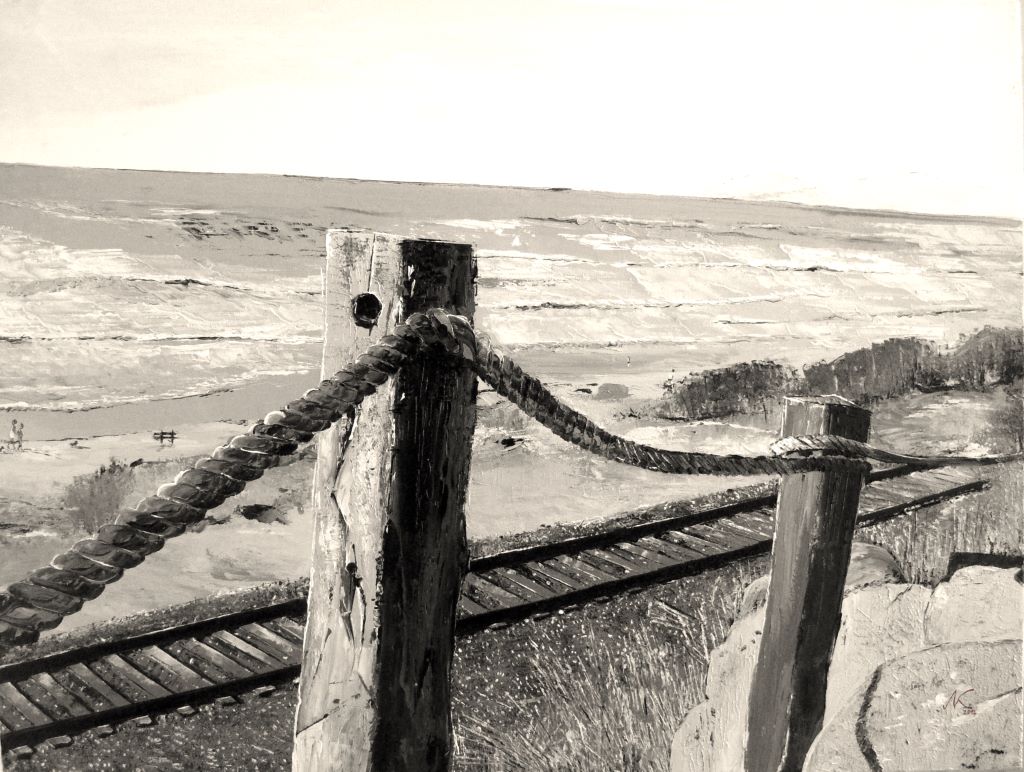
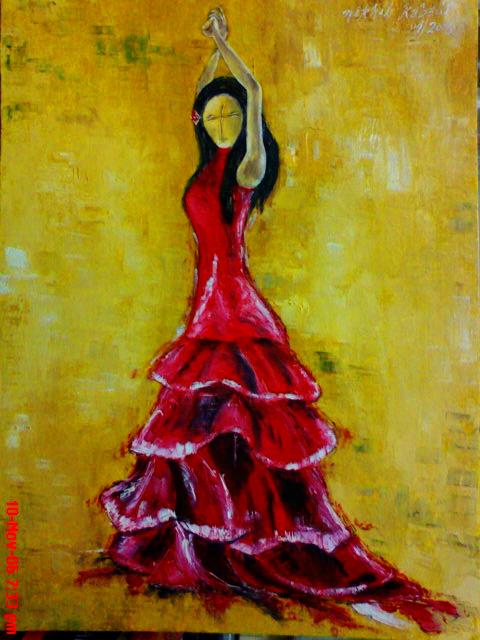
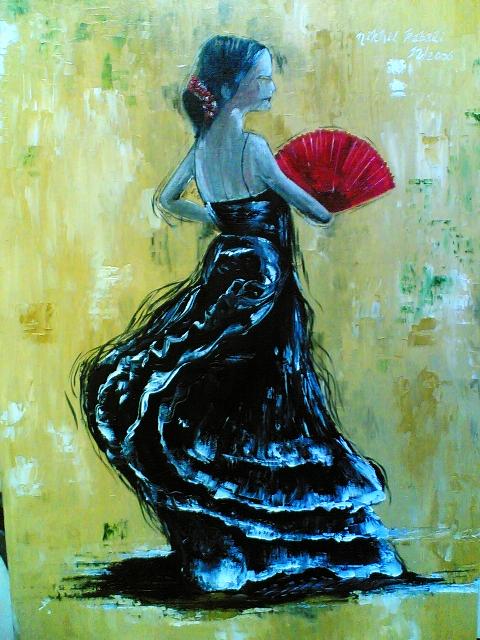
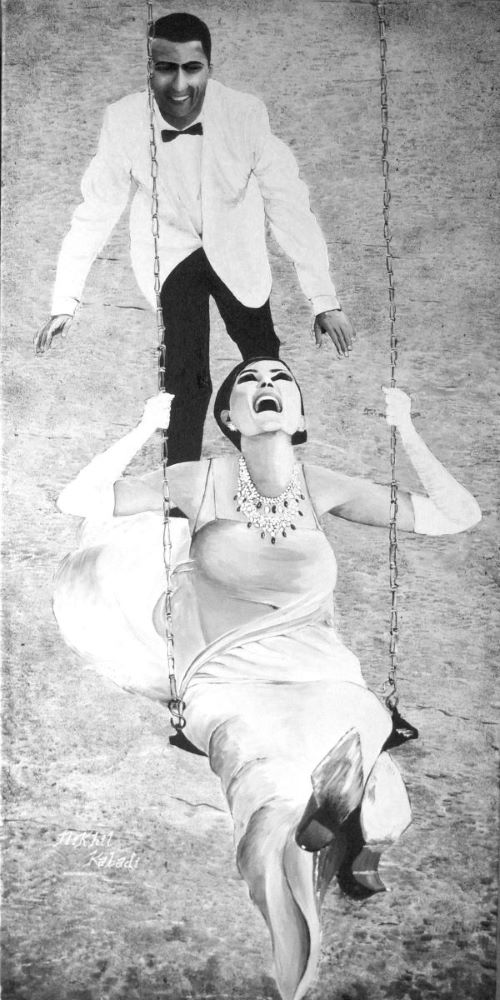
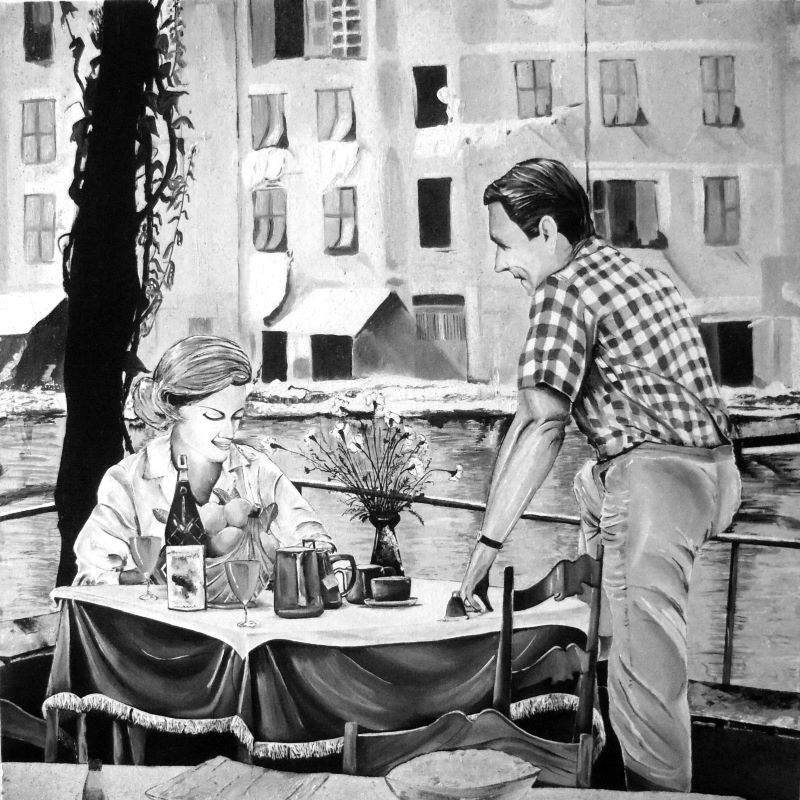
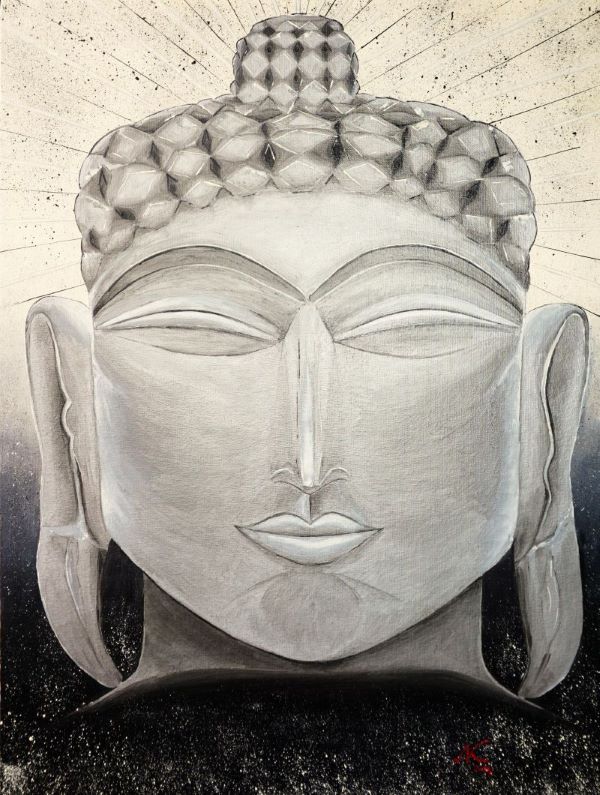
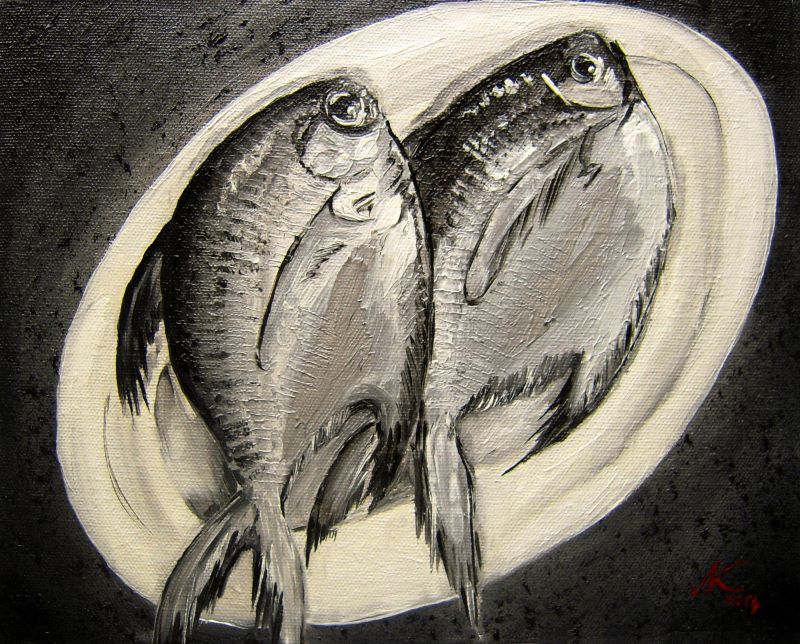
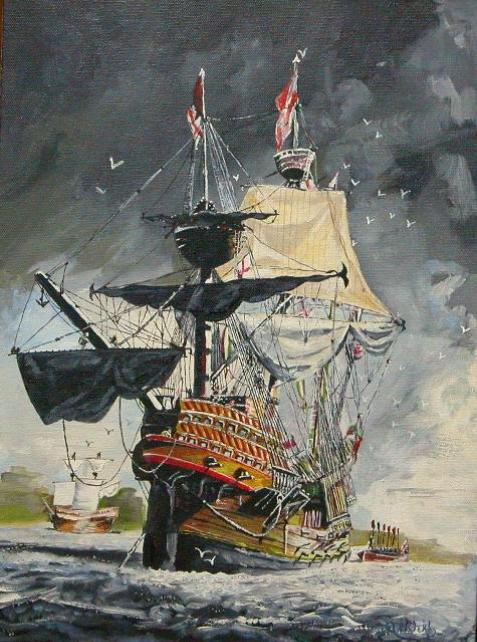
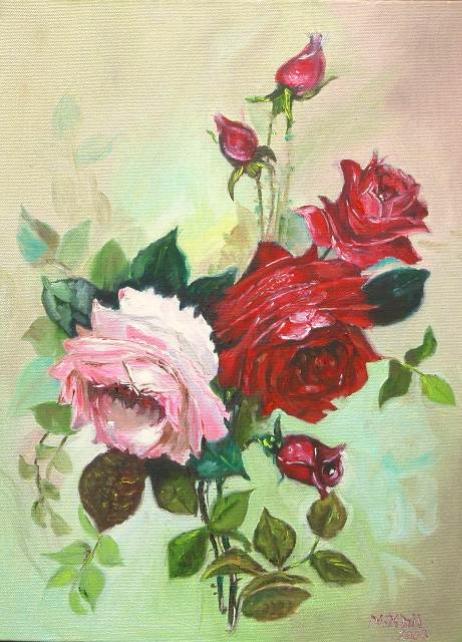
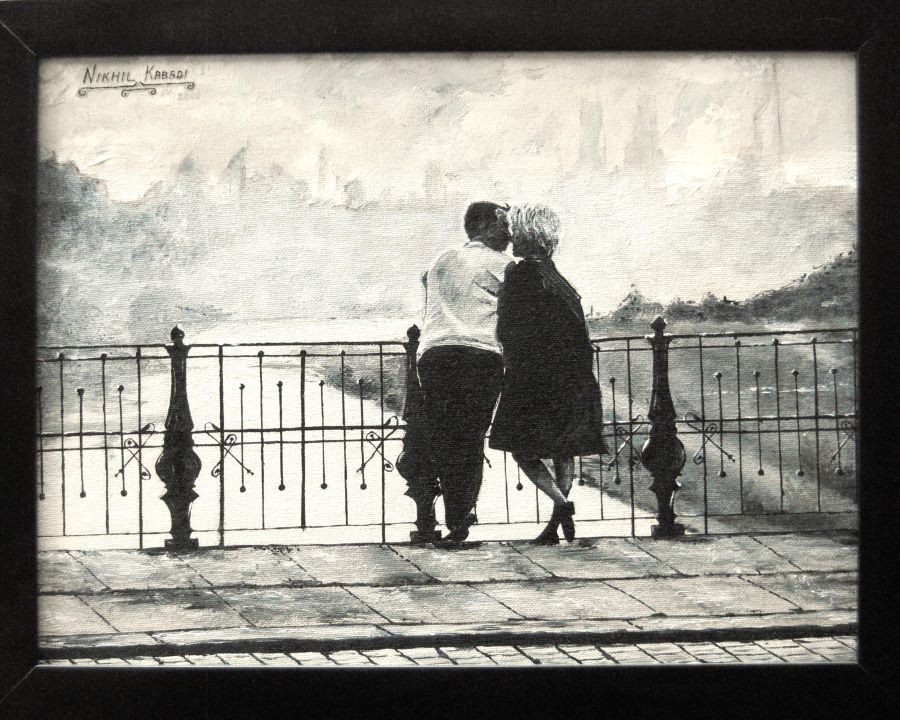
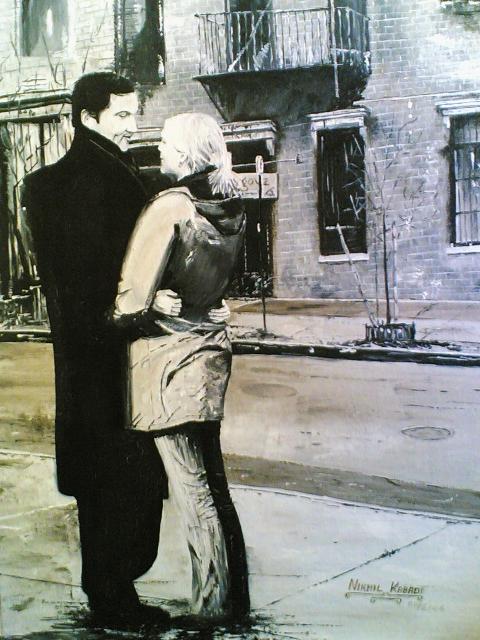
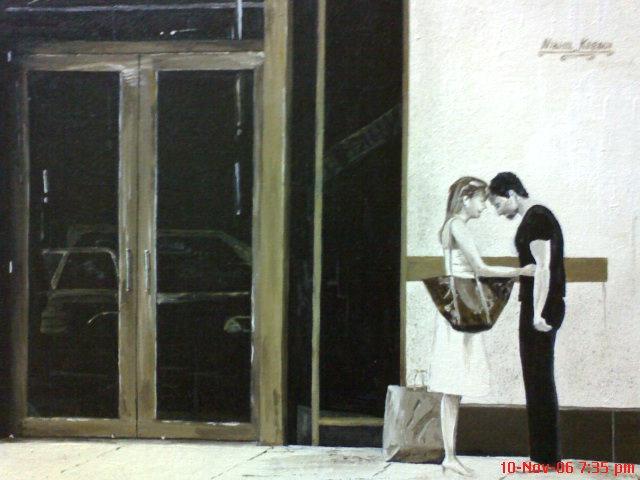
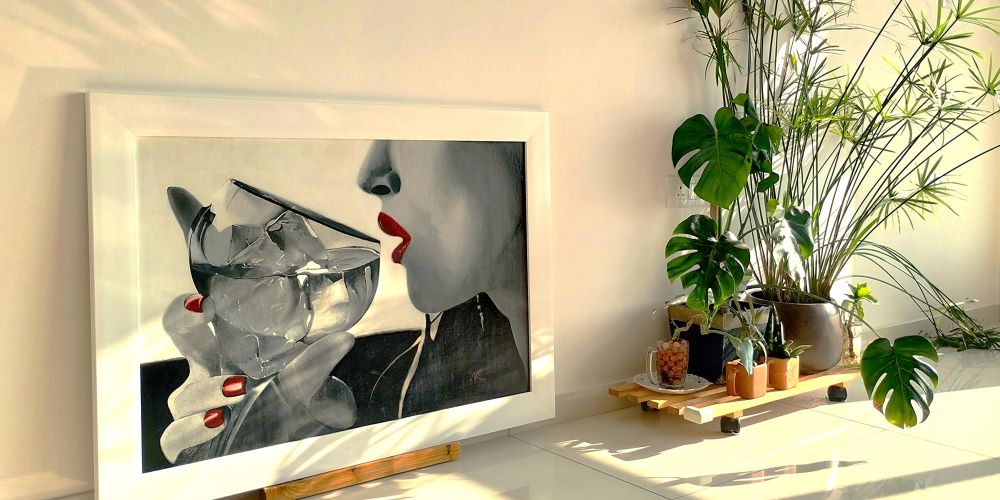
Since childhood, I’ve been drawn to understanding ideas by making them tangible.
Whether it’s oil painting, tinkering with woodwork, building houses with cardboard, or experimenting with hydroponics, I’ve always found something deeply satisfying about seeing an idea take physical form.
I don’t paint as much anymore, but the impulse to make things with my hands has never left.





Embracing Introversion
I’m an introvert, and accepting that has been liberating. Ironically, it’s helped me open up more to people and feel at ease with solitude, even in a crowd.
Learning
I’m a poly-reader because learning, for me, isn’t accumulation… it’s pattern recognition across disciplines.
Other than reading, I listen to a small set of podcasts: Modern Wisdom, Dan Carlin’s Hardcore History, Masters of Scale, and Sam Harris, and spend time with historical documentaries.
Swimming
Over the years, I’ve tried marathons, gym workouts, and bodyweight exercises, but nothing compares to the peace I find in a pool. Swimming is more than exercise; it’s my moving meditation.
New Year Experiments
Each year, I commit to one new habit. If you are interested in my formula for keeping your new year resolutions – here it is.
My track record so far.
(These aren’t goals. They’re my experiments in attention, discipline, and curiosity.)
- 2026: Strengthen and build the trapezius muscle complex to improve my posture and stability.
- 2025: Learn Trachtenberg Math and teach it to my son + No coffee after 1:00 PM
- 2024: —
- 2023: Feynman technique (it’s such a handy skill now that I’m working on my start-up) + one coffee a day (this plan failed miserably!)
- 2022: Brushing teeth with my left (non-dominant) hand + intermittent fasting
- 2021: Daily walk and meditation
- 2020: Cold showers
- 2019: Sugarless tea or coffee
 Nikhil Kabadi