In the final scene of Blade Runner 2049, the protagonist, severely injured and likely dying, amidst melancholy music extends his hand to catch the snow… At the end of life, no one wishes to scroll through social media, kiss their smartphone, or look at the time.
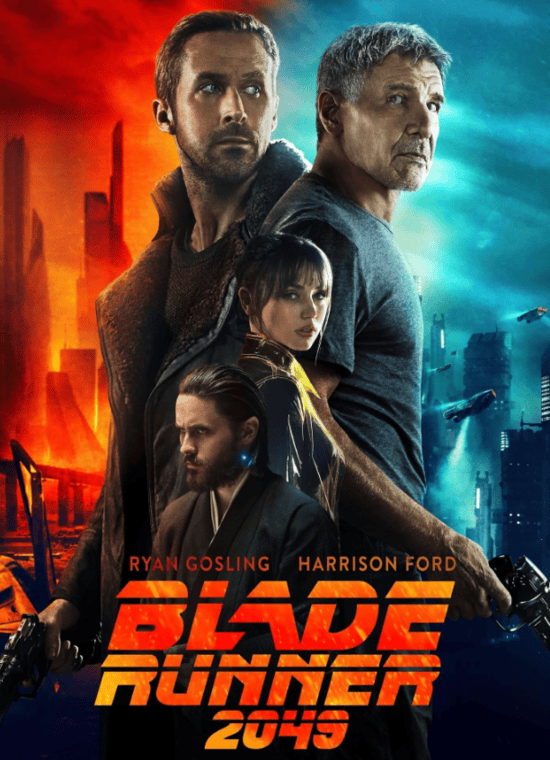
When the end is at our door step, we crave something deeper – a kiss from a loved one, the feel of soil, the smell of fresh air, the touch of grass (reminds me of Gladiator movie!) or the warmth of another’s hand.
Moments like these are a subtle acknowledgment of how much Mother Nature matters to us, even as we often ignore her. Death is a quiet reminder to thank her for the life she’s given, for assembling countless atoms into something as extraordinary as you and me – beings capable of sensing, thinking, and feeling.
After all, once we are dust and ashes, we will return every atom back to her. From those atoms, nature will create something extraordinary again, in her infinite wisdom. It’s a beautiful and humbling cycle.
But what happens when that connection is severed?
Another aspect of the movie that got me thinking is the dystopian future (the movie is an imagination of the year 2049), dominated by artificial beings and remnants of humanity. But is the future truly dystopian, or are we already living it? A few thousand years ago, today’s world – with its engineering miracles and virtual reality might have been a dystopia. Perhaps the future, by its very nature, is always dystopian.
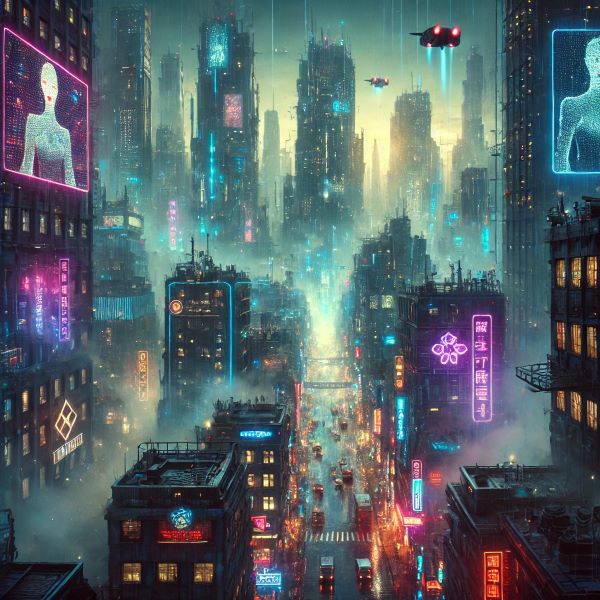
If I stretch my imagination, a future generation might need to learn “nature” as a subject in school – like in the movie Wall-E. Their curriculum might include basic lessons on what one can do in nature!
Chapter: What you can do in nature?
- Hold fallen leaves in your hand, crush them, and feel its texture.
- Smell a flower; it’s safe to do this.
- Drench yourself in the rain and feel the rain drops on your skin.
- Walk barefoot for a few steps (note of caution – avoid sharp stones; adult supervision required).
- Break a twig, swing it. That’s a whoosh sound.
- Pick up some sand and let it trickle through your fingers.
Reading these, I realized these are the simple joys I experienced decades ago. A few more decades, and these simple acts may become nothing more than theoretical exercises in a dystopian reality.
Perhaps, dystopia is not waiting for us in the distant future. It’s not the flying cars or the endless cities filled with neon lights. Perhaps dystopia exists in the small disconnections we feel every day – from nature, from ourselves, and from each other.
Are you too in a dystopian reality?
Liked the article?
If it sparked a thought or made you pause, consider sharing it on LinkedIn – it might do the same for someone else.
Related topic:

