Which is more universal: fear or laziness?
Ask anyone what holds them back, and you’ll hear fear more often than not.
But the deeper I get into conversations, the more I realize that laziness is often the quieter force behind fear.
The classical view of emotions considers fear to be hardwired, an evolutionary predisposition to help us survive. Laziness, on the other hand, is often just fear cloaked in comfort: fear of failure, fear of effort, fear of judgment.
Fear is often considered disruptive. It demands courage, prompting either action or withdrawal. While laziness silently sabotages. It does not alarm us; it soothes us, subtly diverting us from responsibility.
When a group of people share a common fear, we label it a phobia and seek ways to overcome it, as it becomes a shared problem.
But when a group of people is lazy… We just happen to be surrounded by “lazy” people. It’s up to each individual to deal with it. Quietly and alone.
That’s how fear ends up painted as the villain, while laziness slips under the radar, slowly eroding our journey toward greatness.
You can overcome fear with courage. But how do you overcome something that feels so comfortable?
Laziness might be why humanity hasn’t surpassed artists like Leonardo da Vinci.
Fear, on the other hand, created masterpieces like “The Scream” and “The Face of War”.
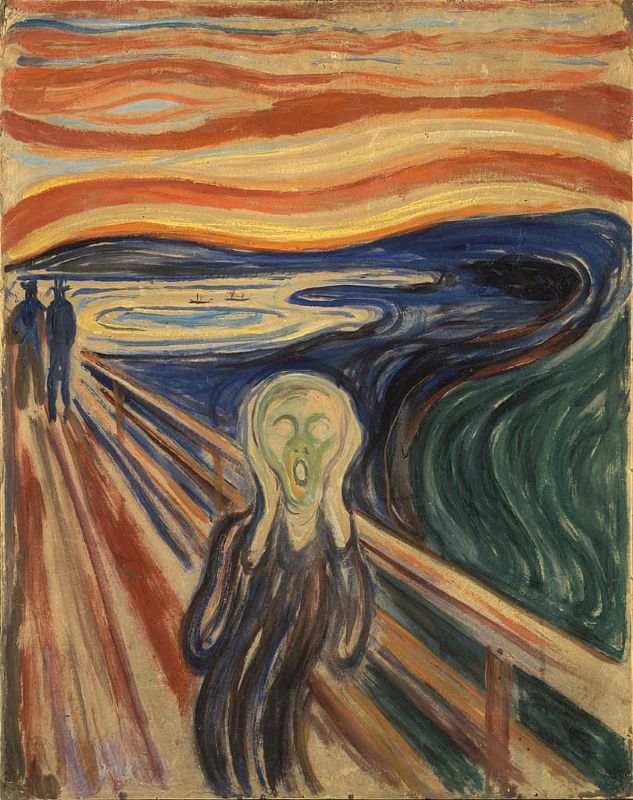
The Scream, 1893 by Edvard Munch
The personification of the world that is too enormous, too challenging at times.
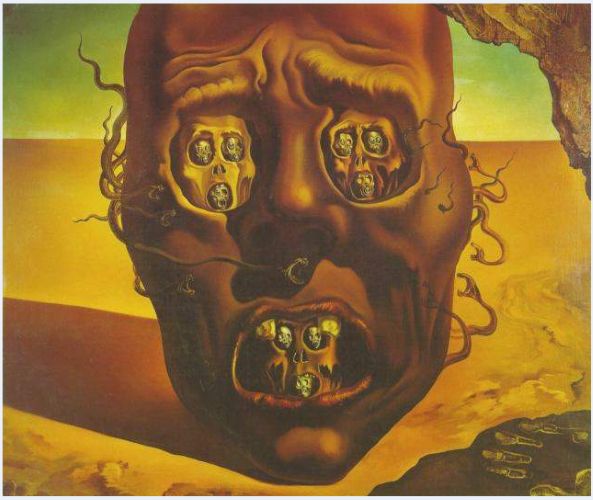
Visage of War (Face of war), 1940 by Salvador Dali
The horrible face of war, its eyes filled with infinite death.
Laziness will prevent the emergence of the next transformative billion-dollar enterprise.
Yet, it’s easy to see why the fear of death from unsafe water birthed impactful organizations like Charity: Water.
Laziness isn’t just a barrier to societal achievements; it quietly steals progress toward our own personal greatness.
To overcome fear, you must build courage. To build courage, you must act. But to act meaningfully, you first have to overcome laziness.
So, the more important question isn’t whether fear or laziness is worse – but rather, which one are you more willing to confront – fear or laziness?
Liked the article?
If it sparked a thought or made you pause, consider sharing it on LinkedIn – it might do the same for someone else.
🍪 Fortune Cookie:
“Laziness doesn’t stop us with resistance. It stops us with comfort”.
Yet, not everything that stops you is against you.
Sleep, for example, is laziness at its healing best. But skipping your workouts is laziness at its draining worst.
Mindful Productivity, through the STOP Framework, helps you clearly distinguish when rest is genuinely nourishing (productive comfort) and when it slips into harmful inaction (destructive laziness).
After all, courage isn’t the absence of fear. It’s the mindful clarity to act despite fear and to recognize when comfort serves you – and when it quietly halts your forward journey.
 Nikhil Kabadi