STOP is a framework for intentional decision-making – think clearly, feel balanced, and act with confidence.
“Between stimulus and response, there is a space. In that space is our power to choose our response. In our response lies our growth and our freedom.”
– Viktor E. Frankl
Why Use STOP for Better Decisions?
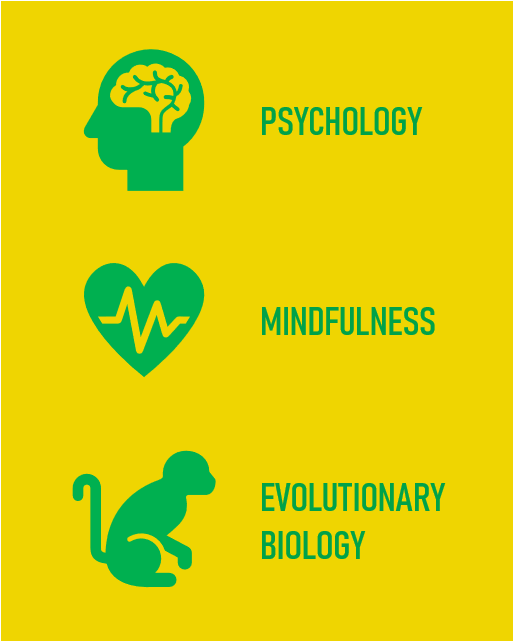
Science-Based Approach
Grounded in science, STOP integrates evidence-backed principles for better decision-making.
Big or Small, Every Decision Matters
From work to personal growth, STOP simplifies choices. It’s not about forcing action but choosing with clarity and confidence.


A Mindful Habit
STOP isn’t just a tool; it’s a habit that reshapes how you approach work, relationships, and goals – ensuring your decisions work for you, not against you.
Who is STOP For?
STOP is a simple yet powerful framework for navigating decisions – big or small, personal or professional.
Whether you’re an entrepreneur making high-stakes choices

A leader striving to lead with clarity

A student developing self-awareness

Or simply someone looking to bring more intention to everyday decisions
STOP helps you think clearly, feel balanced, and act with confidence.
Apply STOP if you’ve ever:
✅ Felt overwhelmed by decisions
✅ Been stuck between logic and emotion
✅ Rushed into a choice you later regretted
✅ Felt disconnected from your work or priorities
How STOP Works: 4 Simple Steps to Mindful Decisions
STOP stands for
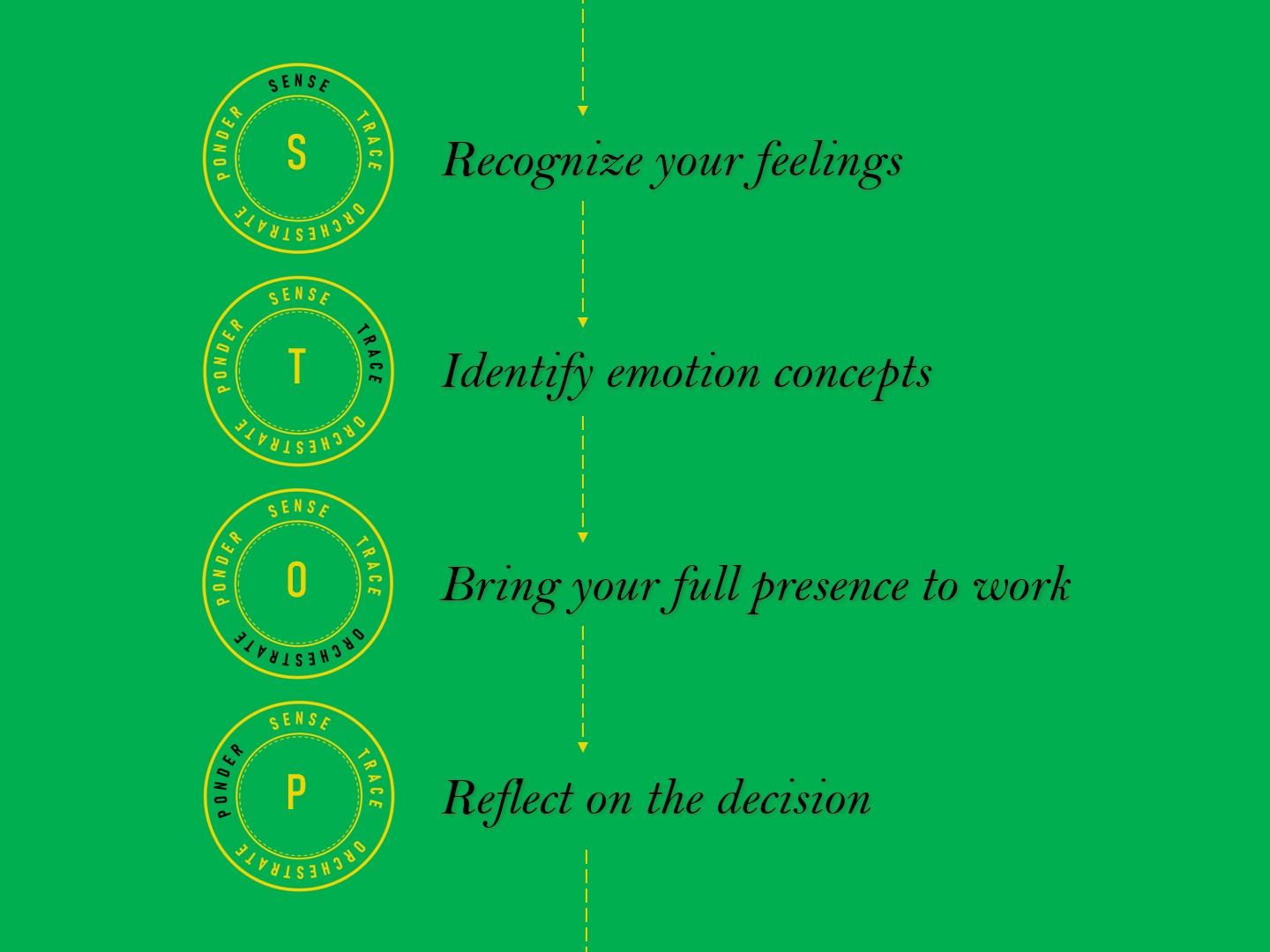
🔴Sense, 🟡Trace, 🟢Orchestrate,🔵Ponder
A simple, structured process for making mindful decisions.
By following these four steps, you train your mind to be more intentional, acknowledge emotions, and act with awareness – ensuring your choices align with your core values.
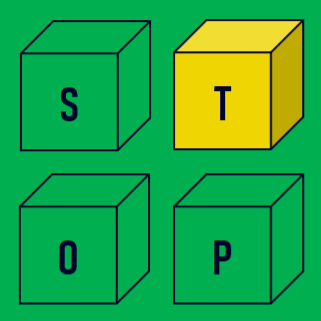
1. Sense
Your feelings are data, not distractions. Sense trains you to pause, observe bodily signals, and recognize your feelings.
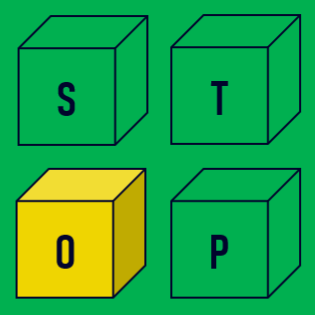
2. Trace
Put your feelings into words. Affect labeling to create emotional clarity.
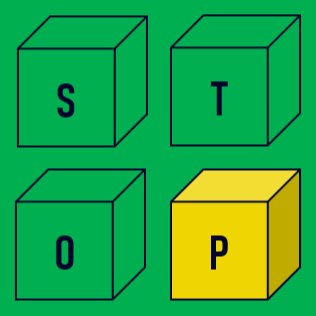
3. Orchestrate
Act with full presence and intention. Meaningful work begins with openness – bringing your whole self into what you do.
4. Ponder
Decisions shape your path. Reflection ensures alignment with your values and long-term well-being.
DON’T TAKE MY WORD FOR IT – TRY IT YOURSELF
You Can’t Learn To Swim By Reading Books
” The only source of knowledge is experience.”
Albert Einstein
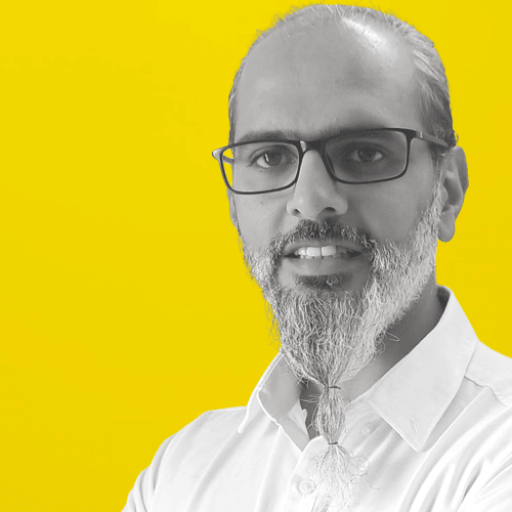
As a mindfulness practitioner and someone deeply invested in better decision-making, I use the STOP framework daily – on both small and big decisions. I’ve also introduced it to friends, family, and colleagues helping them be more intentional in their choices.
But don’t take my word for it – experience it for yourself!
It takes less than 10 minutes to make a mindful, confident decision – one you can stand by, no matter the outcome.
To get started, check out the real-world example below – it shows how I applied STOP in practice. You can use it as a guide for your own decisions.
Need a little inspiration before you start?
See how others have used STOP in their own lives:
✅ Identifying Meaningful Work
See how a friend used the STOP framework for a day to reflect on activities that energized them versus those that drained them.
✅ Overcoming Bias in Conversations
How a colleague, through mindful reflection, uncovered outdated biases that used to make calls with a co-worker always feel anxious.
✅ Helping My Son with Homework
STOP isn’t just for big decisions. I even used it to get my son to start his homework without resistance!
READY TO TRY?
Applying STOP to a Real-Life Situation
Every decision – big or small – shapes our lives. Some choices paralyze us with uncertainty, while others slip by unnoticed. Yet, the way we make decisions determines not just the outcomes but the quality of our lives.
So how does STOP actually work? Below are two real-life examples from my life – a small everyday decision and a big life-changing decision.

Small Decision: Taking a Swim Before Breakfast
As silly as it sounds, I was struggling to get into the pool – even though I knew it would be good for me.
1️⃣ Sensing Emotions
A short pause was enough to recognize the feelings holding me back. I noticed:
- I wasn’t agitated or really calm. I felt neutral.
- However, there was some unpleasantness. Something was nagging in me that did not feel good.
2️⃣ Tracing Emotions
I grabbed my journal and jotted what these feelings meant to me:
There is laziness. There is sadness (this one surprised me when I labeled it as such).
3️⃣ Orchestrating Work
Simply labeling these emotions made me feel lighter and more at ease. I got up, made an electrolyte drink (just in case!), and packed my bag. Before I knew it, I was heading to the pool.
4️⃣ Pondering Decision
Post-swim back at home, as I reflected, here’s what I felt:
- Energy – I was refreshed and full of life.
- Satisfaction – I had overcome my resistance and honored a decision that benefited me.
This small decision reinforced a simple truth: emotions influence our choices, but we don’t have to be ruled by them. STOP helped me turn hesitation into clarity and inaction into momentum.
Now, let’s look at a bigger decision – one that reshaped the trajectory of my career.

Big Decision: Taking the Leap into Entrepreneurship
Starting up on my own was a major crossroads. Most of my peers were stepping into CXO roles, while I was contemplating an entirely different path. Should I take the leap or search for another job? The STOP framework, though not yet conceptualized at the time, was the very process that led me to a clear, confident choice.
1️⃣ Sensing Feelings
Sitting alone in a cafe, instead of contemplating, I tuned into my feelings and recognized the following bodily sensations and affective states:
- I felt unpleasant yet calm and energized.
- There was unease – a tension in my chest. My chest felt heavy.
- At the same time, my breath was steady – I wasn’t breathing rapidly, and I felt light.
- This steady breath created a sense of openness.
These raw feelings were my body’s way of signaling something deeper.
2️⃣ Tracing Emotions
I grabbed a napkin and labeled my emotions by writing them out:
- “There is fear”: of failure and financial insecurity.
- “There is anxiety”: about letting go of a structured corporate career.
- “There is excitement”: at the thought of meaningful, independent work.
- “There is anger”: at how my previous job ended due to a medical emergency.
And below it, I instinctively scribbled a quote from Marcel Proust:
“Griefs, at the moment when they change into ideas, lose some of their power to injure the heart.”
3️⃣ Orchestrating Work
Once I externalized my emotions, something shifted. I felt a surge of optimism and a clear sense of direction. There was a sense of certainty I hadn’t felt before, even though I had been contemplating starting up.
In that moment, I knew: I’d rather risk the regret of trying than live with the regret of playing it safe.
The next day I documented my thoughts, marking the beginning of my journey in this Day 1 blog post.
4️⃣ Pondering Decision
Now, months later into this decision. I revisit it often. Do I still feel the same way?
An empathetic “Yes”. As I write this, my emotions are,
- Confidence – in my approach and the path I’m pursuing.
- Happiness – in the way things are unfolding.
If you’re curious about how this decision evolved over time, here’s what I wrote at Day 30 and Day 75.
APPLY STOP TODAY
What decision are you currently stuck on?
Try applying STOP to one decision today – big or small. You might be surprised by the clarity it brings.
🤔 Frequently Asked Questions
The Why, How, and What of the Mindful Productivity Framework – STOP.
 Nikhil Kabadi